


it’s Tuesday morning, your alarm jolts you awake, and you’re already mentally rehearsing the same commute, the same desk, the same routine that stretches endlessly ahead. Sound familiar? You’re not alone in feeling like life has become a bit too predictable. While some people book spontaneous trips to shake things up, millions of others are discovering something equally thrilling—virtual world gaming.
These digital realms offer the perfect antidote to mundane reality, delivering heart-pounding adventures, breathtaking landscapes, and epic quests right from your living room. As virtual world gaming continues to explode in popularity, it’s becoming clear that these immersive experiences aren’t just entertainment—they’re fulfilling a deep human need for exploration and excitement that our everyday lives often leave unsatisfied.
The Psychology Behind Virtual Escapism
Ever wonder why that epic quest to slay a dragon feels more thrilling than your morning commute? There’s real science behind our craving for adventure. Our brains are literally wired to seek novelty and exploration – it’s what kept our ancestors alive and helped them discover new territories.
Virtual worlds tap into this primal need perfectly. When you can’t physically virtual world gaming due to budget constraints, work schedules, or other life circumstances, digital realms offer an immediate alternative. That rush you get from discovering a hidden cave in Skyrim or conquering a raid in World of Warcraft? That’s genuine dopamine flooding your system, the same chemical reward you’d experience from real-world exploration.
The beauty lies in how these virtual spaces remove traditional barriers. No passport required, no vacation days needed – just pure, unfiltered adventure at your fingertips.
Popular Virtual Worlds That Deliver Adventure
The gaming landscape offers incredible variety for adventure seekers. MMORPGs like World of Warcraft and Final Fantasy XIV transport millions into richly detailed fantasy realms where every corner holds potential discovery. These aren’t just games – they’re living, breathing worlds with their own cultures, economies, and endless mysteries to unravel.
Then there’s the open-world phenomenon. Minecraft lets you literally reshape entire landscapes, while games like Skyrim offer that perfect blend of structured storytelling and free exploration. For many players, these experiences satisfy the same itch that would normally drive them to virtual world gaming in exotic locations.
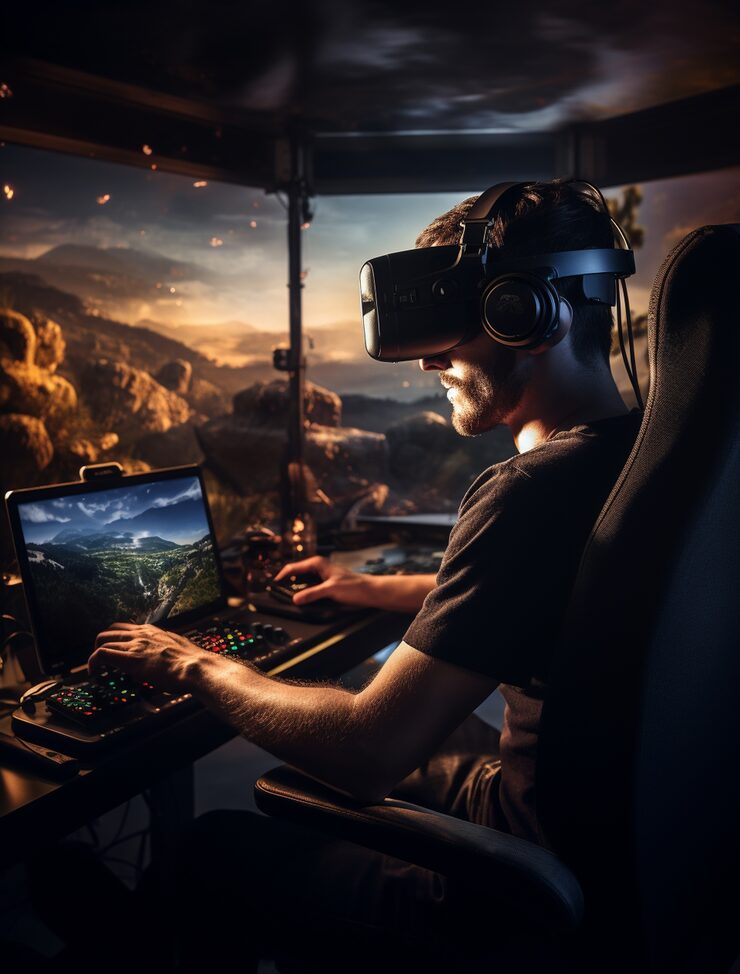
VR gaming has revolutionized this space entirely. When you’re standing on a virtual mountaintop, your brain genuinely believes you’re there. The immersion is so complete that many players report feeling like they’ve actually visited these digital destinations.


The Social Adventure Element
Here’s where virtual world gaming gets really interesting – it’s rarely a solo journey. The friendships forged during late-night raids or collaborative building projects often become surprisingly meaningful. I’ve seen players who started as strangers in a guild become real-life best friends, sharing everything from career advice to family celebrations.
These shared virtual adventures create bonds that transcend geography. You might be questing alongside someone from Japan, Australia, and Brazil simultaneously. It’s this global connection that often inspires players to eventually travel for adventure in the physical world, meeting their online companions face-to-face and exploring each other’s home countries.
The collaborative element adds depth that solo adventures simply can’t match. Discovering a hidden treasure with friends – even digital ones – creates lasting memories and stories you’ll retell for years.
Finding Your Next Adventure
Virtual world gaming has proven itself to be far more than just a hobby—it’s a legitimate response to our fundamental human need for adventure and discovery. Whether you’re battling mythical creatures in an MMORPG, building impossible structures in Minecraft, or forging friendships across continents, these digital experiences deliver genuine thrills and meaningful connections that enrich our lives in ways we’re only beginning to understand.
What strikes me most is how virtual world gaming doesn’t replace real-world adventure—it often inspires it. The confidence you gain from leading a successful raid might just translate into booking that hiking trip you’ve been putting off, or those online friendships could spark your next international adventure.
So here’s my challenge to you: embrace both sides of the adventure coin. Dive into that new virtual world you’ve been curious about, but also consider how those digital experiences might inspire your next real-world expedition. Whether you’re exploring ancient ruins in an RPG or planning to visit actual historical sites, the spirit of adventure is what matters most.